Physical Address
304 North Cardinal St.
Dorchester Center, MA 02124
Physical Address
304 North Cardinal St.
Dorchester Center, MA 02124
The same thought process exists from December, the off-season is when my putting either quietly improves or slowly slips if I’m not intentional.
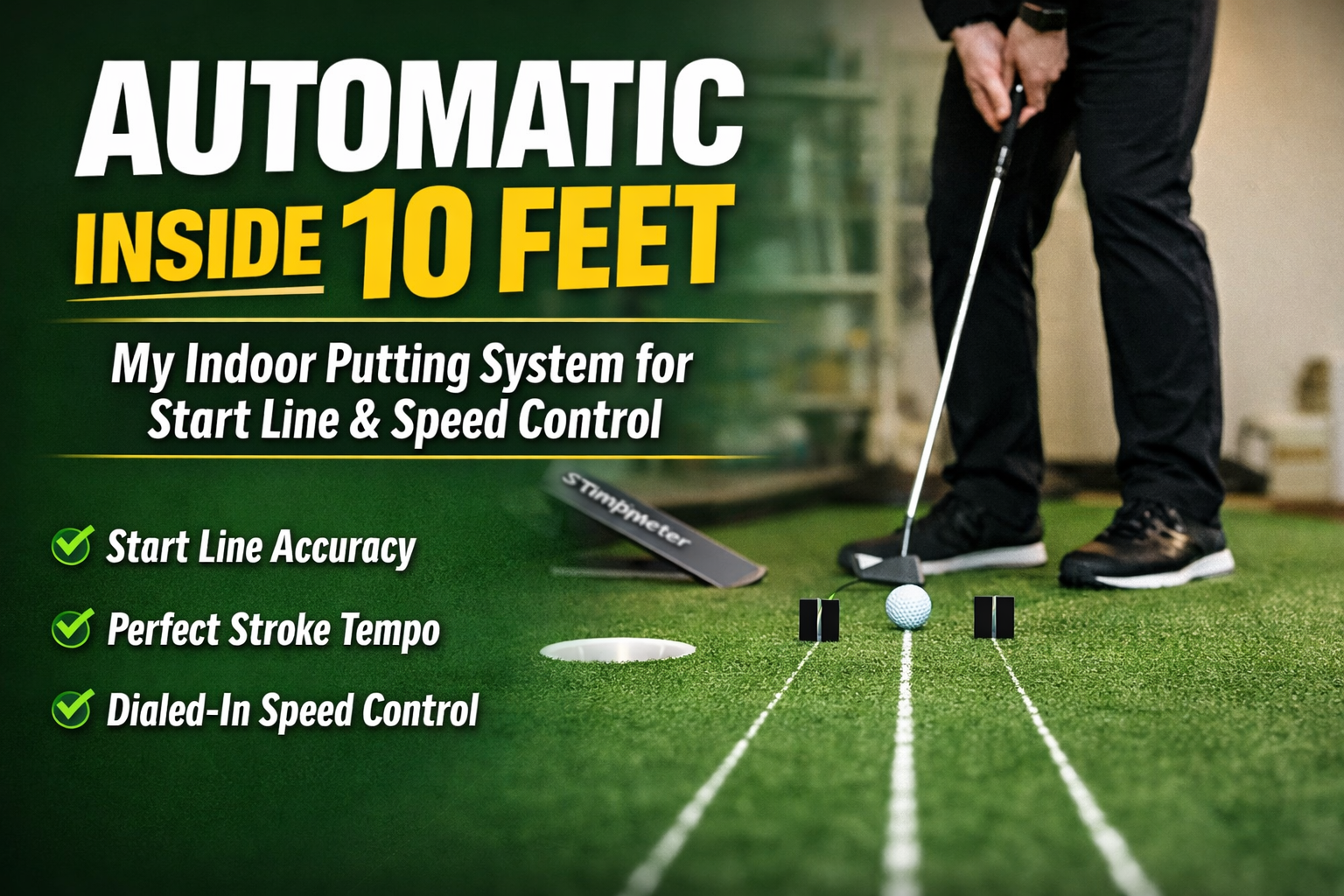
Like Jacob Bridgeman sinking his final putt to win for the first time on tour, I’m trying to become automatic inside 10 feet.
Not “pretty good.” Not “hope it goes in.”
Automatic, just like Jason Day was in 2016.
During that season, Day gained 1.13 strokes per round on the putting green, the best season since ShotLink began tracking the stat. Inside 10 feet, he was a weapon. You felt like the hole was smaller when he stood over it. No surprises, his weapon of choice was the Taylormade Spider, which happened to be the putter of 2025 and has already won 5 out of 7 tour events this year.
That’s the standard.
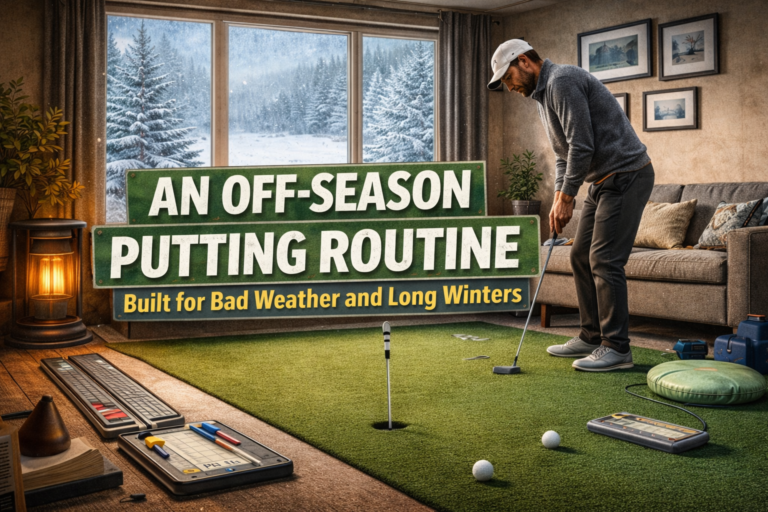
This winter, I turned my basement into a putting lab focused on 3 to 10-foot putts. I’m working on setup, routine, start line, and speed control. Everything I do is intentional and based on what elite coaches and tour players teach.
Here’s the system.
Most amateurs obsess over 25-footers.
But you don’t lose strokes from 30 feet. You lose them from 4 to 10 feet.
From 8 feet, even PGA Tour players make about half. From 5 feet, they make around 80%. That’s the scoring window. This is where rounds are saved or lost.
If you:
Your scoring average drops immediately.
That’s why my whole indoor putting routine focuses on this range.
I didn’t just want random drills.
I studied patterns, looking at what elite coaches teach over and over and what great putters always focus on.
Three names to trust should keep showing up.
Phil Kenyon has worked with players like Rory McIlroy, Brooks Koepka, Matt Fitzpatrick, Tommy Fleetwood, and, more famously, Scottie Scheffler.
One theme stands out in his coaching:
Control swing length. Keep tempo constant.
After watching a Peter Finch YouTube video with Kenyon, what clicked for me was this:
Using a metronome set to 85 bpm, I built my own distance chart. I measured stroke lengths for 3, 5, 7, and 10 feet and marked them. Now I’m training with this approach. This approach has taken the guesswork out of my speed control practice.
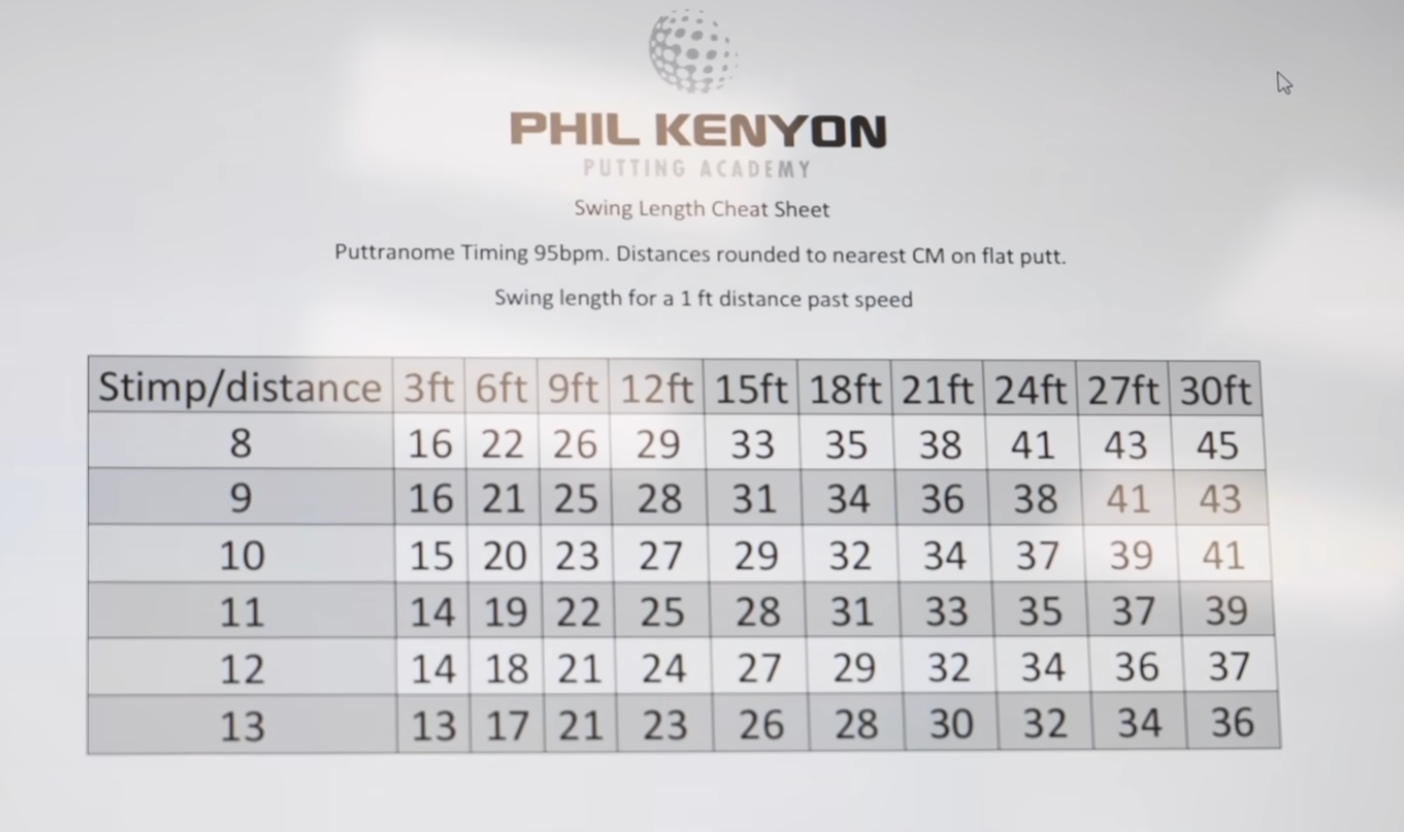
Day’s drill during his dominant stretch was simple:
From about 10 feet, the ball either goes in or finishes one foot past the hole.
It shouldn’t go three feet past or stop short at the front edge.
That one constraint forces:
I’ve adopted this drill heavily in my winter golf practice.
When you focus on this:
“Firm enough to finish 12 inches past.”
You stop steering the putter.
You roll it.
In a lesson featured on GOLF.com’s Pro Work series, Jackson Koert emphasized something simple but powerful:
If your start line is off, nothing else matters.
So I added:
Before I even worry about pace, I’m asking:
Did the ball start exactly where I intended?
Within 6 feet of the start line is essential.
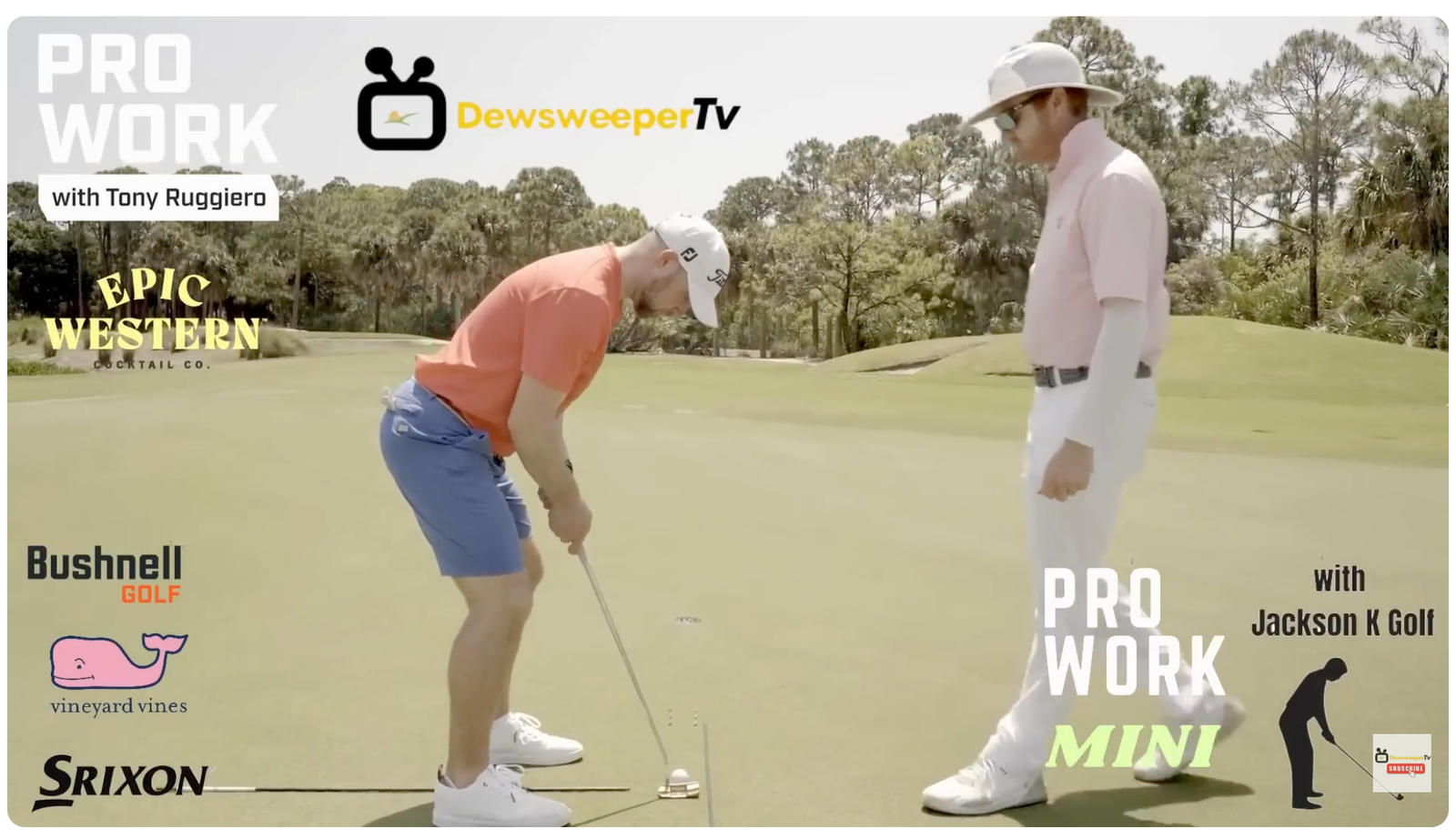
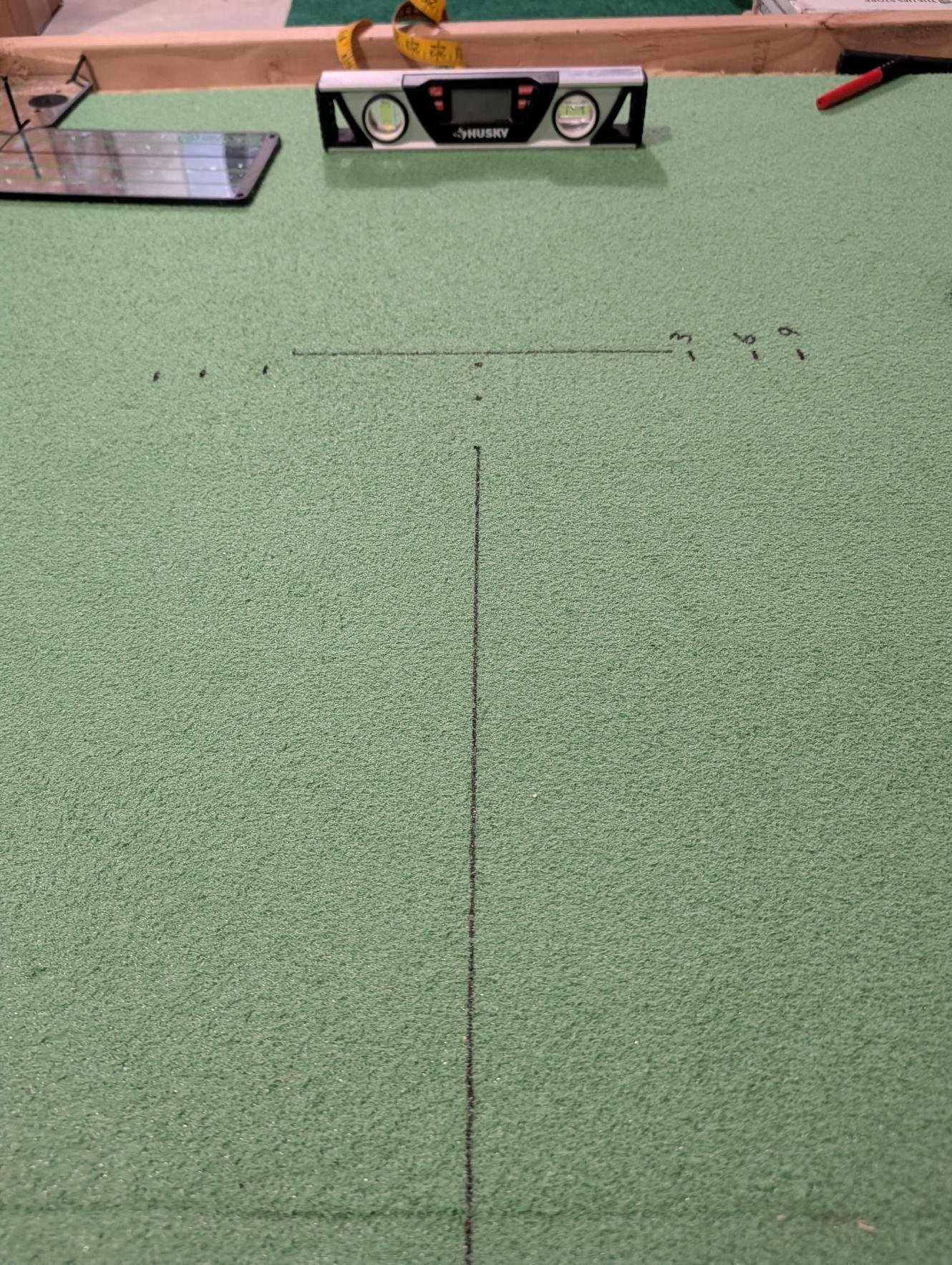
My basement setup is simple, but it’s organized.
Every putt has:
I don’t just roll balls without a plan.
Every drill has a purpose.
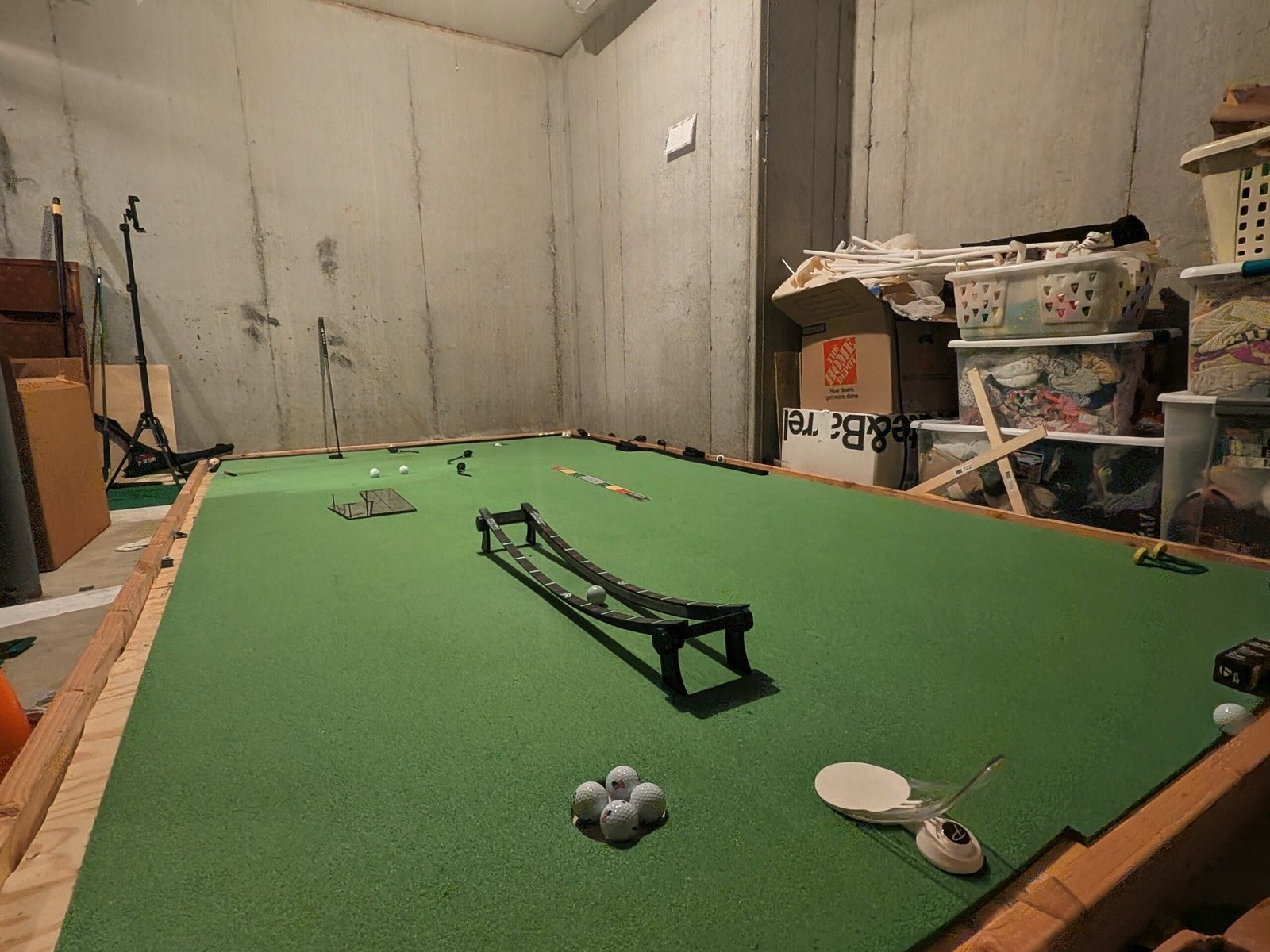
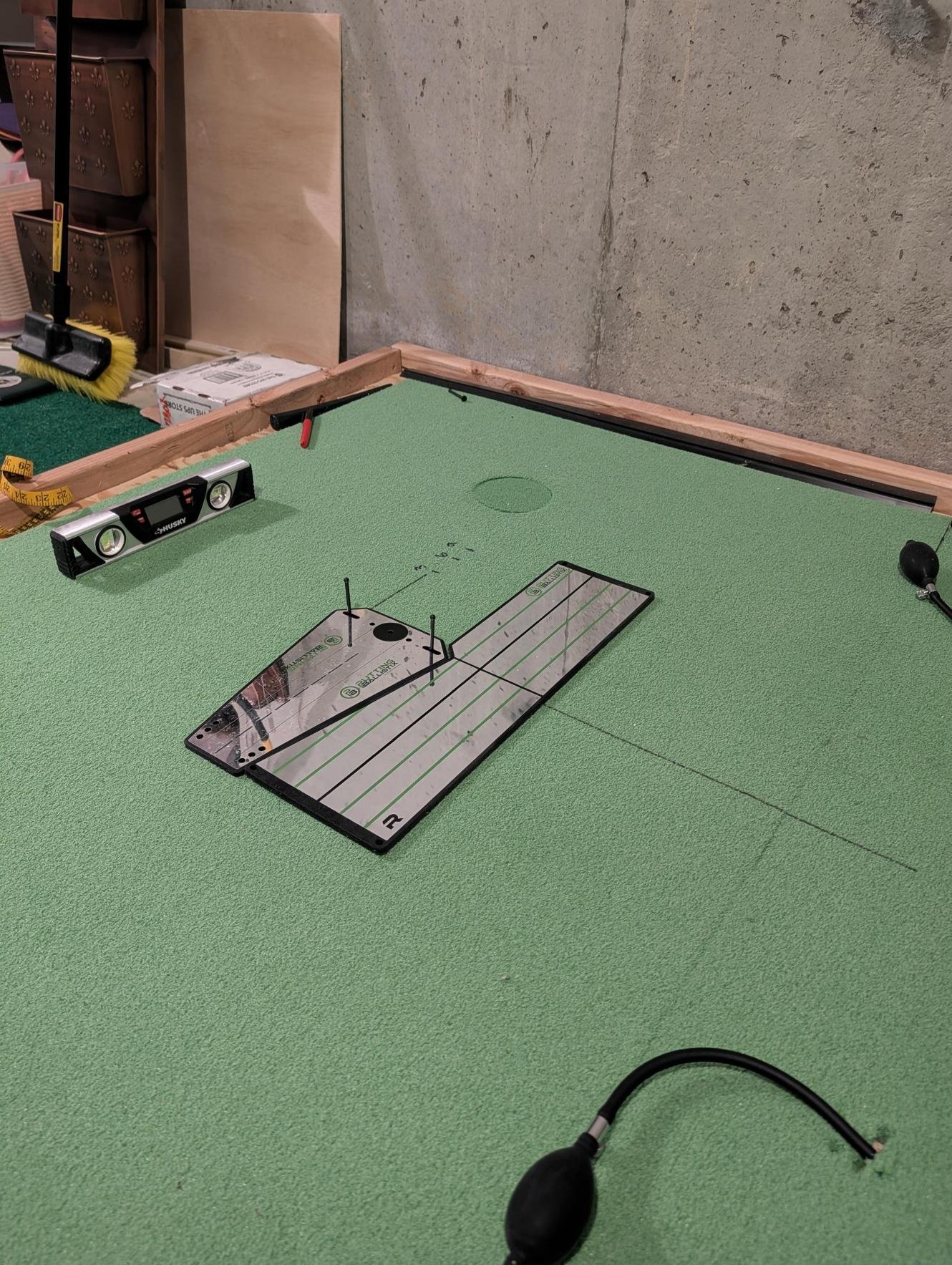
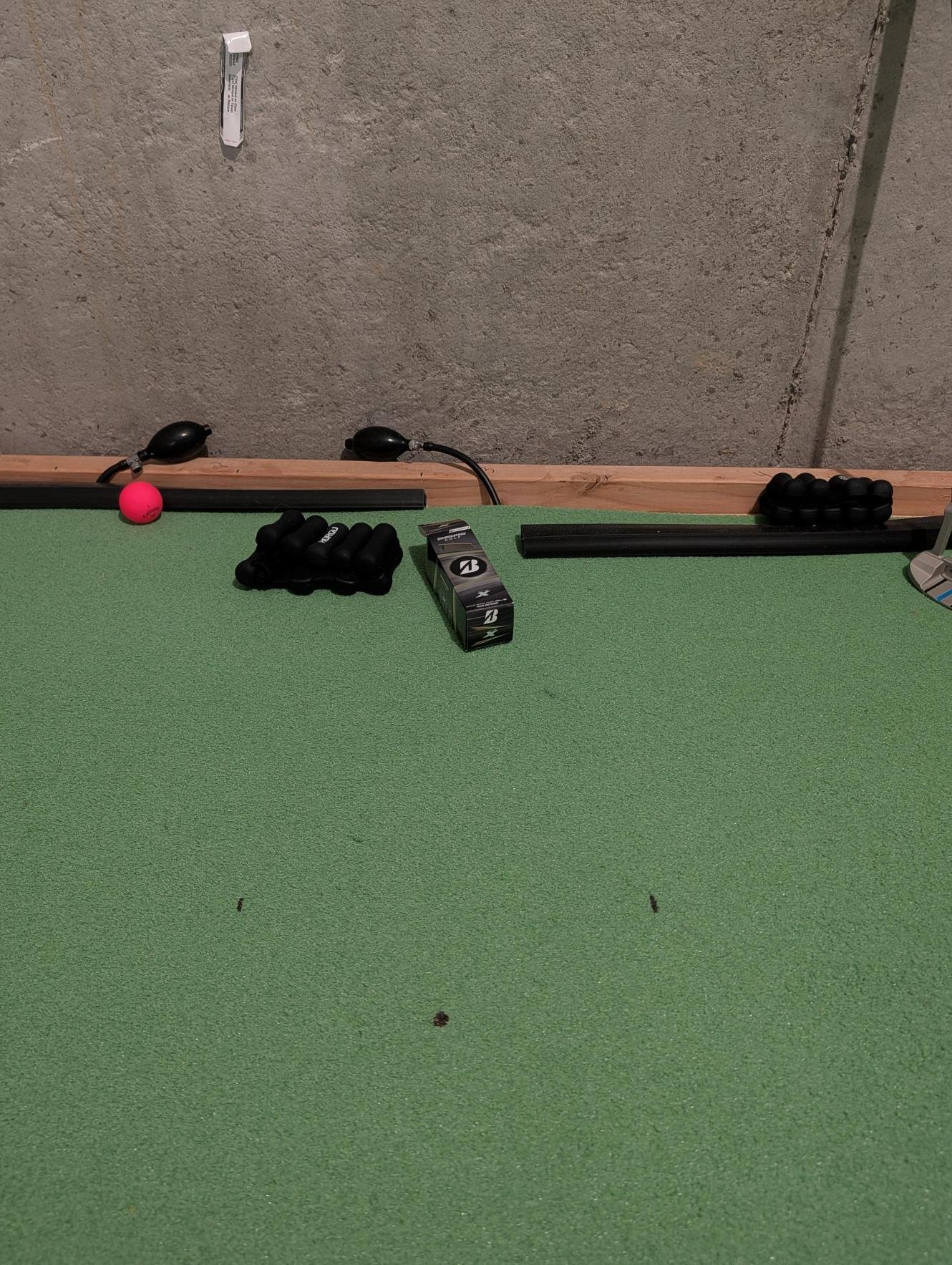
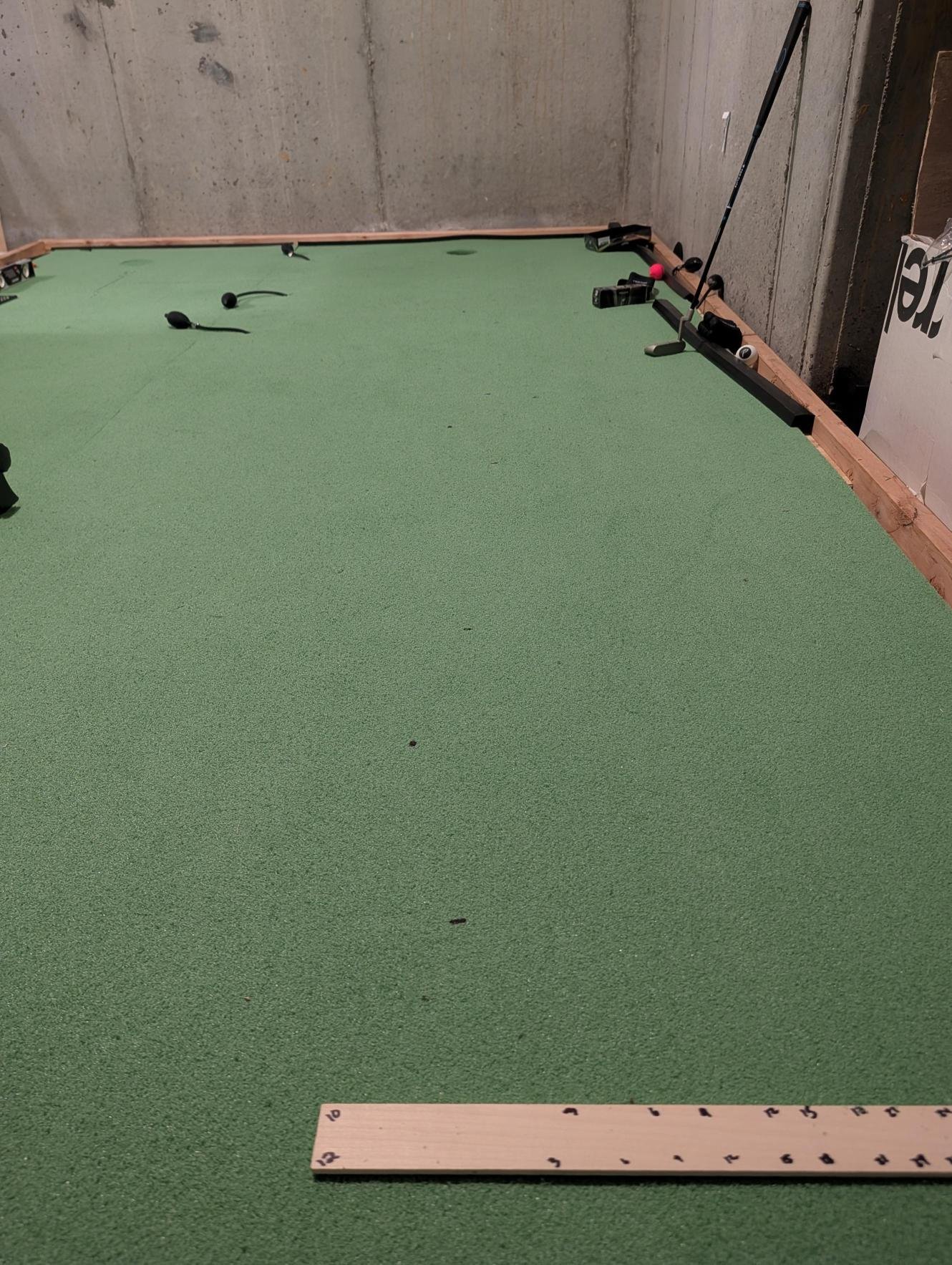
Here’s how a typical session looks:
A few early takeaways:
The biggest difference?
Confidence.
After hitting hundreds of structured 5-to-10-foot putts with clear speed and start lines, standing over one on the course feels familiar.
That’s the goal.
I want to step onto the first green this season feeling like 2016 Jason Day inside 10 feet, not just hoping to make putts but expecting to.
And that expectation changes everything.