Physical Address
304 North Cardinal St.
Dorchester Center, MA 02124
Physical Address
304 North Cardinal St.
Dorchester Center, MA 02124

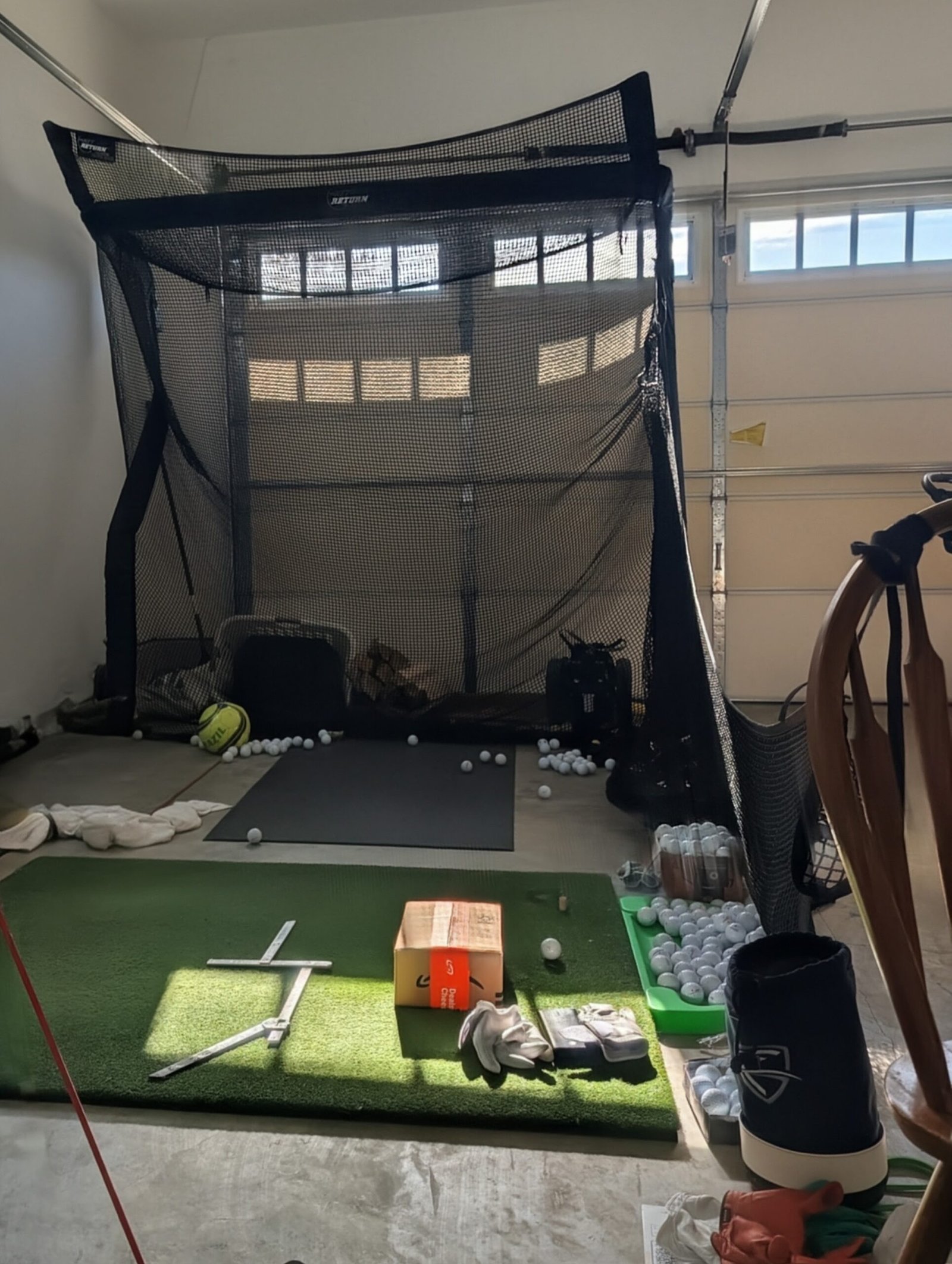
The offseason is the great equalizer: while the pros chase sunshine, the rest of us stand in garages wearing three layers, convincing ourselves this swing will be different. With the 2025 season officially wrapped, I’m using winter to rebuild the parts of my swing that matter most: tempo, takeaway, posture, pivot, and getting my club up the plane more. Most swing faults happen before the club ever gets off the ground, which means this is the perfect time to fix them.
This is my four-week winter golf training plan, built around two goals:
Here’s the blueprint I’ll be following all month, broken down week by week, to systematically rebuild my swing.
Goal: Burn the 24:8 rhythm into muscle memory.
Tempo controls sequence, balance, and consistency, even before mechanics come into play. This week is about resetting feels after a long 2025 season.
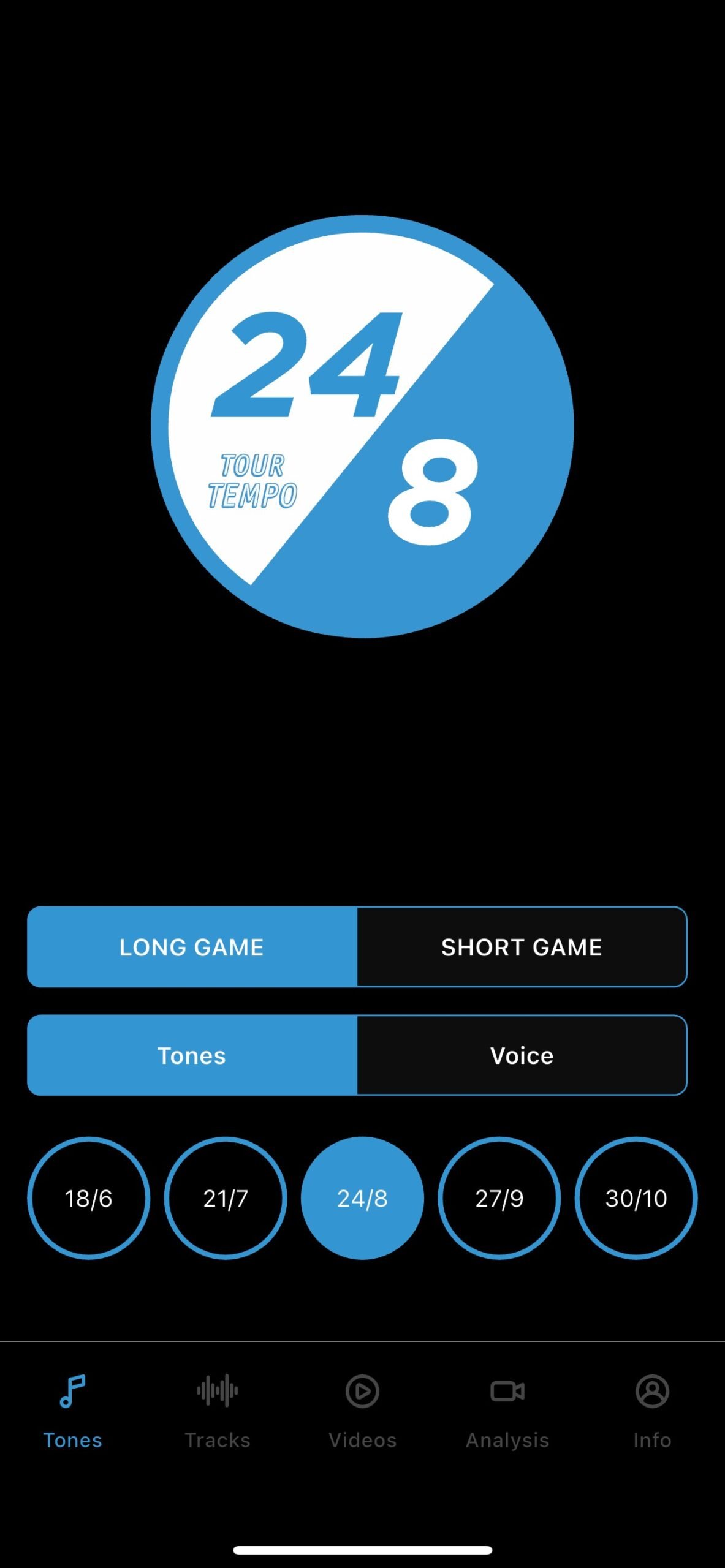
Tour Tempo Work (24/8)
I use the Tour Tempo App set at 24/8. Using a 7-iron, I swing at 50% power, taking the club back slowly, counting to three in my head (or alongside the app’s beats), then starting the downswing on the final beat, making sure not to force speed. I repeat this, focusing solely on feeling each count clearly before increasing pace or power.
4–5 Ball Transition Drill
I place 4–5 balls in a row and hit them without pausing in between. This repetition keeps the rhythm going and stops me from over-focusing on the first swing after a break. I focus on hitting each ball fluidly, gradually recommitting to each swing, while keeping my effort even. January will be more intense.
10-Second Finish Hold
After each swing, I hold my finish pose for ten seconds. If I lose balance or can’t keep this position, I know my tempo was off and need to adjust on the next swing. This acts as a quick, honest test after every rep.
Goal: Build a connected, repeatable start to the swing.
Now that the rhythm is set, the next job is cleaning up the move away from the ball. A good takeaway makes everything easier, not exactly groundbreaking, but wildly underrated.
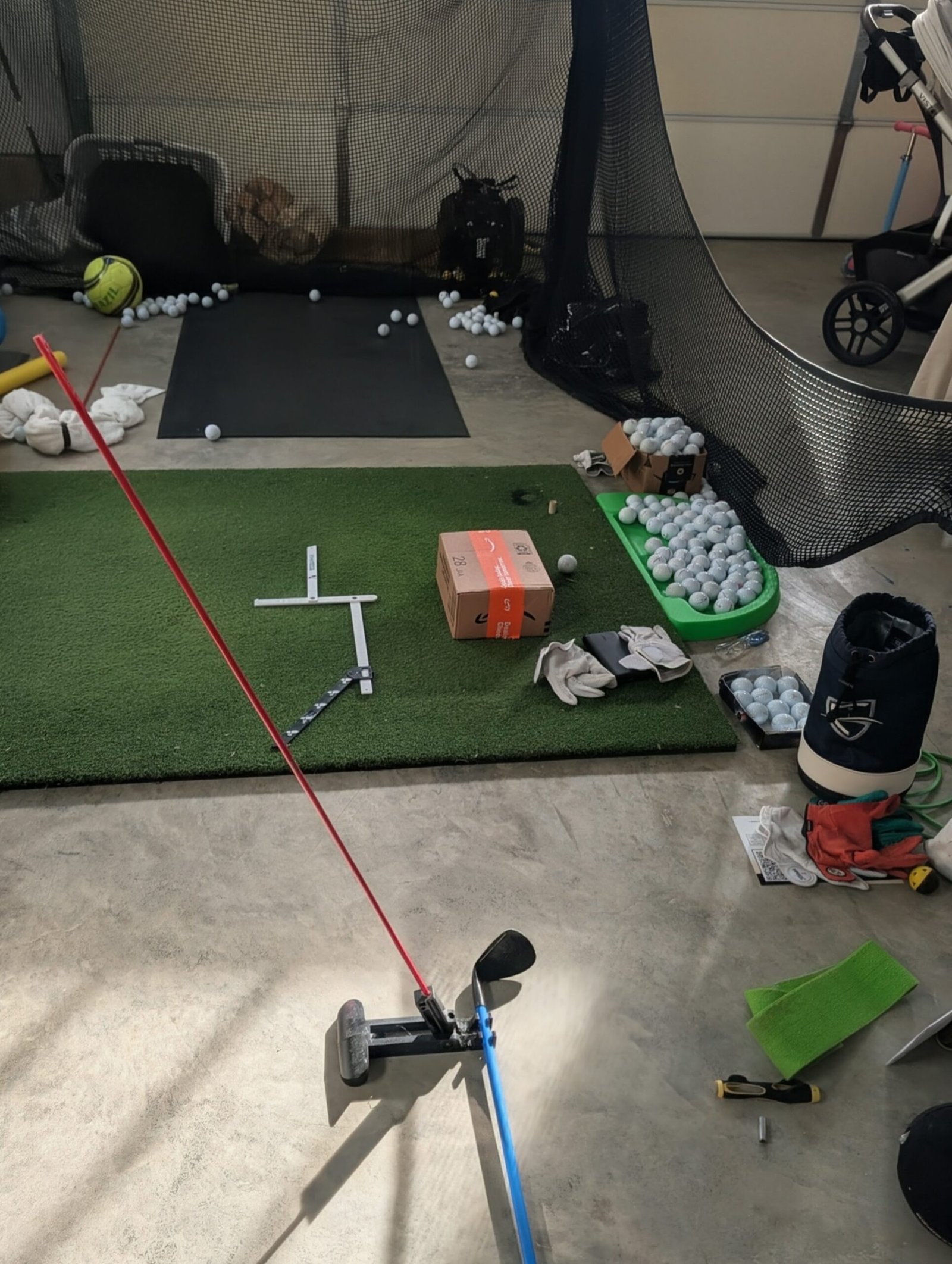
For the Shaft Parallel Checkpoint drill, I make a slow backswing until the shaft is parallel to the ground, pause, then check two things: whether my clubhead is outside my hands and whether the butt of the club points back toward my body. After confirming the positions, I hit a half shot from that paused state to reinforce the correct takeaway path.
Two-Ball Sweep Drill
I place a second ball behind my main ball, about 6 inches back and slightly inside the target line. As I swing, I start the takeaway, making sure to sweep the club outside the second ball. If my club drags the second ball, I’ve taken the club too far inside, and I give immediate feedback to correct my path.
Integration Work
Marrying tempo (24/8) with the takeaway. Smooth start only; no snatching, no rushing.
Goal: Connect rhythm + mechanics for one flowing motion.
This is where drills become real swings.
Pause-at-the-Top Drill
I start with a normal backswing, pause at the top, then begin the downswing, ensuring the clubhead is set before release. Tour Tempo stays on.
Visualization Swings
Finish with full, relaxed swings; forget mechanics, focus on rhythm, balance, and flow. The more I trust the work, the better the contact.
Goal: Turn mechanics into performance.
Move from step-by-step drills to real golf motions.
Pre-Takeaway Setup Ritual
A slight waggle and soft lift eliminate tension, then a smooth start, no jerky moves.
Full Bag Tempo Work
Driver, woods, irons, wedges; same 24/8 tempo, different distances. Rhythm stays; power adapts.
Simulated Round (3 Holes)
Driver → iron → wedge for three “holes.”
Focus on tempo, posture, and balance. Make real shot selections, not rapid-fire swings.
A plan built on tempo, takeaway, balance, and slow-motion reps, mechanics that don’t require full speed.
Yes. It improves sequencing and prevents rushing. Nearly all elite players use a similar 3:1 ratio.
Short, frequent sessions (20–40 minutes), 3–5 times each week, build far more consistency than long, infrequent practices.
After four weeks, I’m not chasing perfection; I’m just building a swing foundation I can trust when March arrives. Winter is for building, and this plan lets me train with purpose. My tempo will be steady, my takeaway reliable. Now comes the most crucial part: doing the work.